Flats Research Manager Zach Zuckerman was invited to perform an ecological assessment of Sand Banks Creek near Treasure Cay, Abaco. Together with Olivia Patterson of Friends of the Environment, representatives from Abaco Defenders, and with the support of Save the Bays, Zuckerman performed a visual census of habitat types and species present in the creek, providing preliminary data to emphasize the need for sound management of Abaco’s nearshore environment.

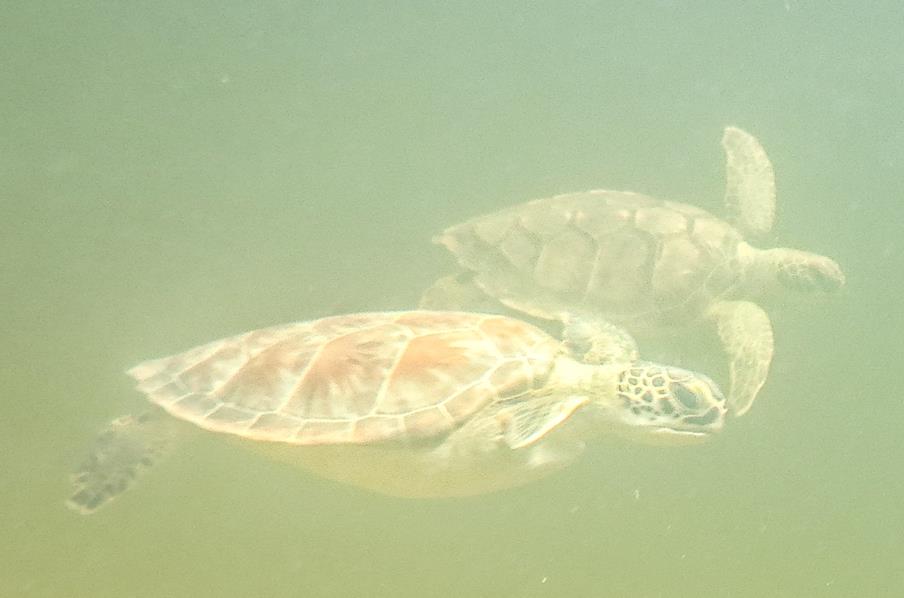
Land use change is a continuing threat to The Bahamas’ mangrove and tidal creek ecosystems; due to their proximity to the sea, beach and low-lying mangrove forest are particularly appealing for coastal development and construction of marinas. However, historical data on the ecology of already developed areas is often lacking, and communities are becoming increasingly involved in the protection and management of sensitive marine habitats. Such is the case at Sand Banks Creek, where historical, recent, and proposed development has altered a critical habitat, thus providing a need to collect data to describe the current status of the system.

Rapid ecological assessments (REAs) are a standardized sampling method to quantify the presence and abundance of species in a habitat, the habitat types present in a location, and to identify anthropogenic stressors on a system. Zuckerman and his team first assessed past and ongoing coastal development near the creek via satellite and aerial imagery, then surveyed the perimeter via car and kayak. The team also performed underwater surveys as part of the REA to identify benthic cover and aquatic species not observable by kayak.


 by
by 
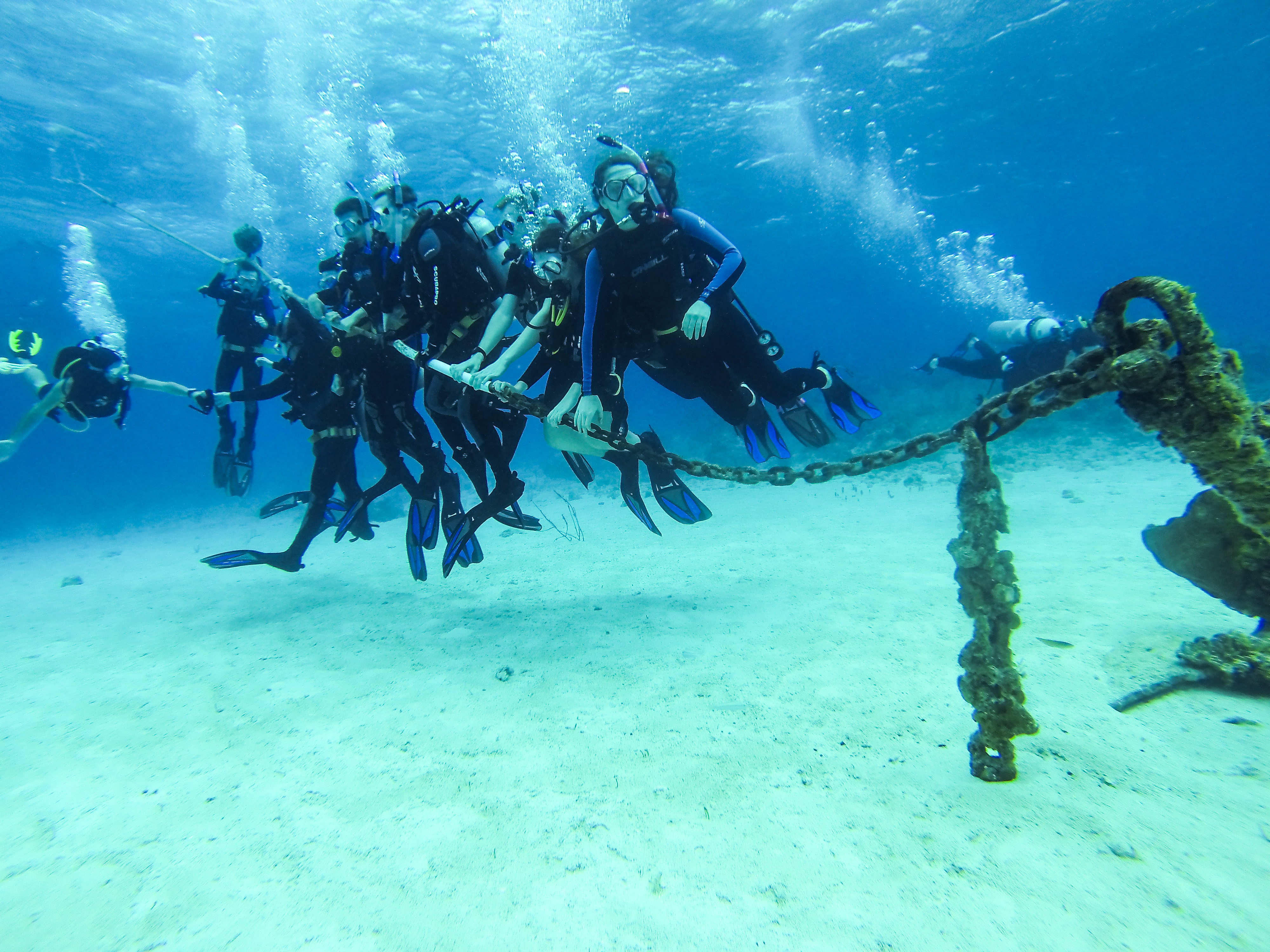


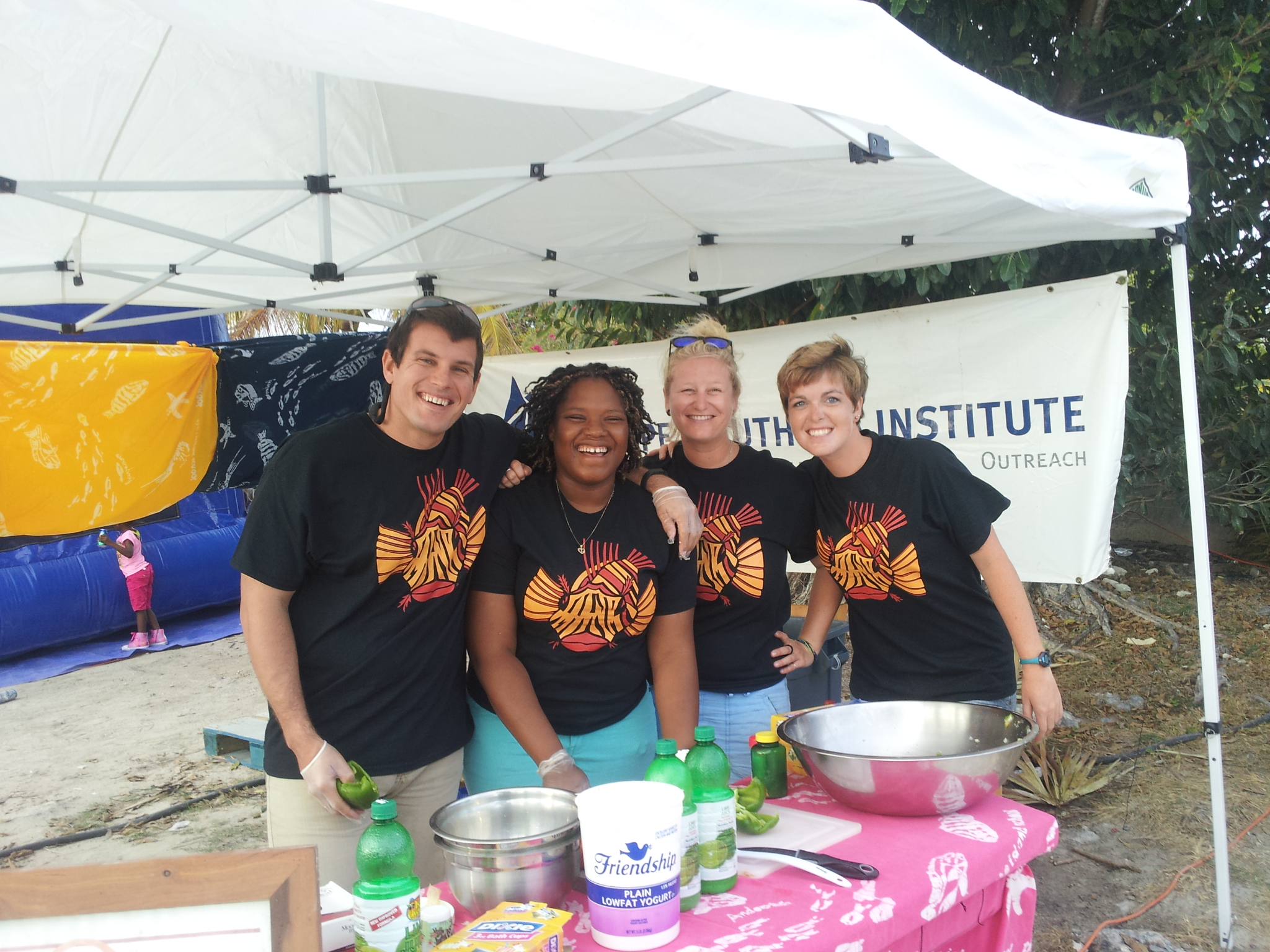
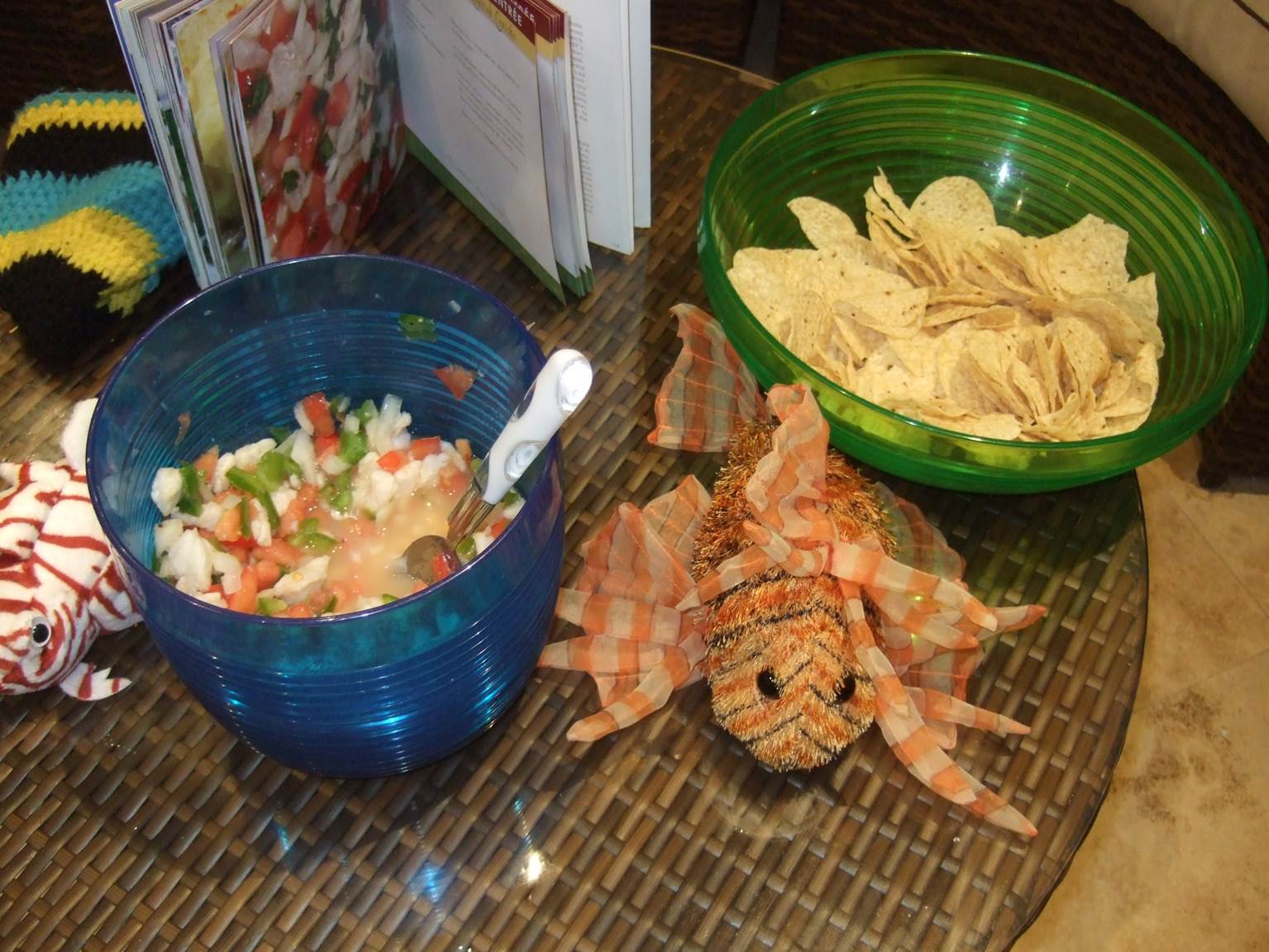






 A group of biologists from Universities throughout the United States gathered to discuss the improvement of the research facilities at the Cape Eleuthera Institute (CEI). This meeting was funded by a National Science Foundation planning grant written by PI Dr. Bill Louda (Florida Atlantic University) and Co-PIs Dr. Dave Philipp (University of Illinois), Dr. Brian Lapointe (Florida Atlantic University), and Aaron Shultz (CEI). The expert panel, along with their individual research interests, is listed below. The three day meeting started off with a tour of The Island School and CEI campus, and an excursion to some of the natural points of interest on the island.
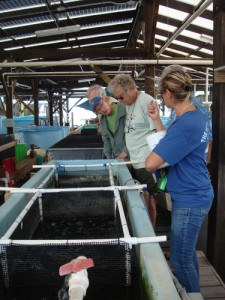 Several group meetings were held to discuss other research stations in the region (E.g., Central Caribbean Marine Institute, Florida Keys Marine Lab, etc.), current research projects at CEI, how to diversify the research portfolio at the institute, and the infrastructure needed to meet current and future demands. The following are highlights from the discussions: the need for an ecosystem based approach to our research initiatives; the need for water quality analysis; and more lab space for visiting researchers and graduate students. Overall, it was a very productive site visit that will aid in the development of the full NSF laboratory improvement grant. CEI looks forward to collaborating with these researchers in the future.

 The
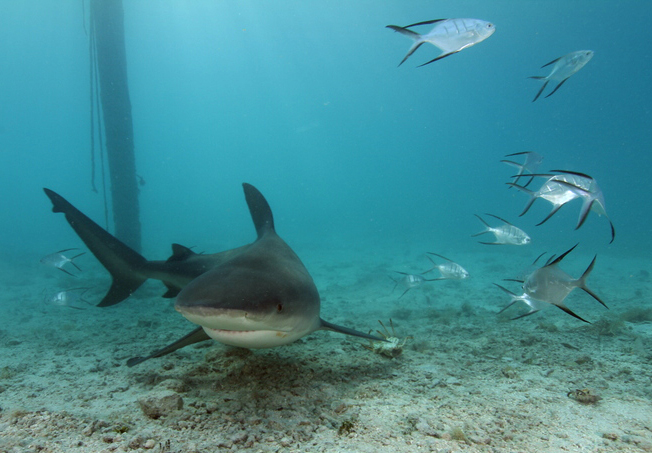
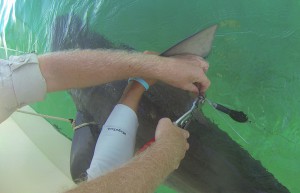
The 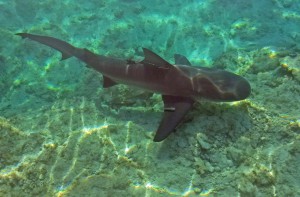 The bulls sharks encountered at Cape Eleuthera usually arrive in October-November when the water temperature starts to cool, and are commonly sighted in the marina until spring where they compete with the nurse sharks and snapper for fishermen’s discards. An interesting characteristic of this aggregation it is entirely composed of large mature females, the most important reproductive component of any population. A male has yet to be seen at Cape Eleuthera. Bull sharks pup in freshwater or estuarine areas, a habitat which is almost completely absent in The Bahamas and Turks and Caicos Islands, suggesting that these animals’ migrations will take them north to Florida, or perhaps south towards Cuba, Haiti or the Dominican Republic in search of a safe place to give birth to their pups. The data from these tags will help us to understand where this important demographic go when the leave Cape Eleuthera and hopefully help solve this mystery.




 A team of scientists consisting of Aaron Shultz and Malcom Goodman from the Cape Eleuthera Institute, David Philipp and Julie Claussen from the Fisheries Conservation Foundation, Karen Murchie from College of the Bahamas (Freeport), and Greg Vincent and Jason Franklin of H2O
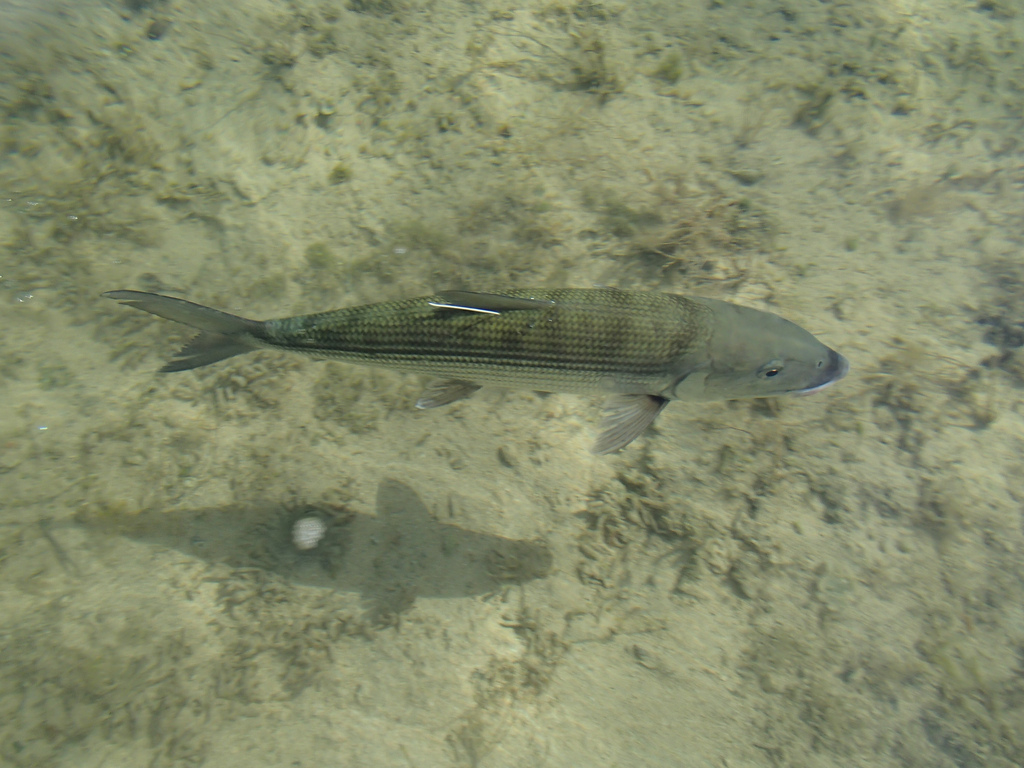
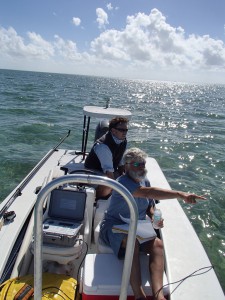 Bonefishing from Grand Bahama gathered in Freeport in January to track bonefish movements. This project began in October 2013, when 30 bonefish from around the island of Grand Bahama were captured and implanted with acoustic tags. Electronic receivers were then placed in strategic locations throughout the island and recorded if a tagged fish swam nearby. Fish were also located periodically using a manual receiver.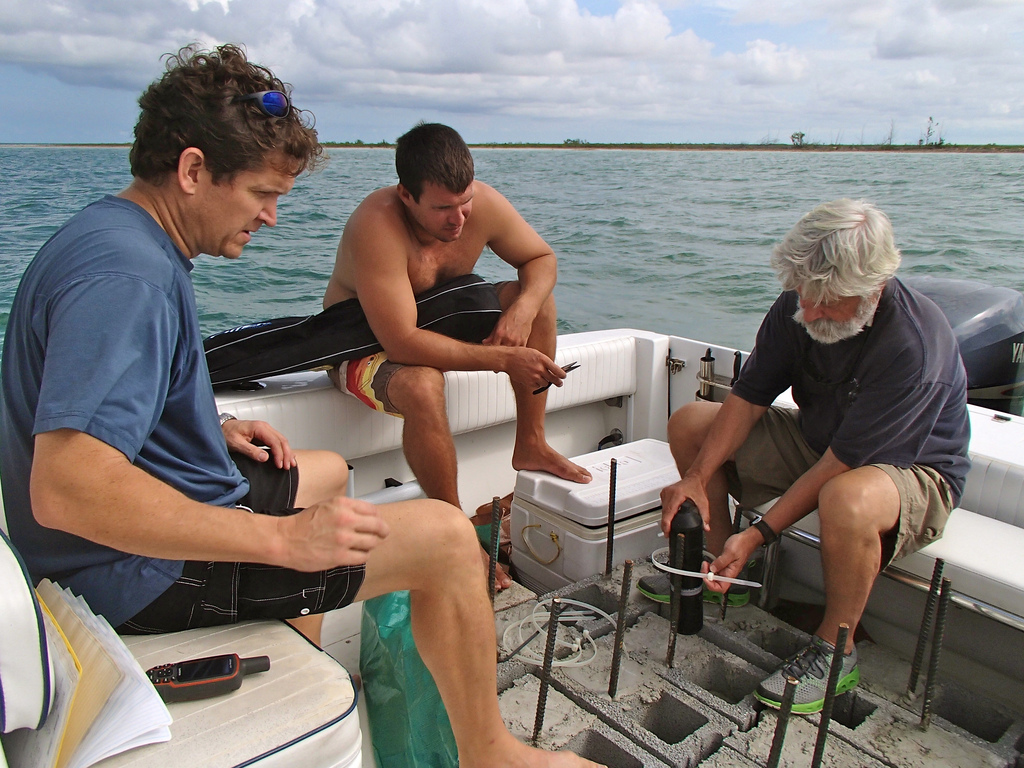
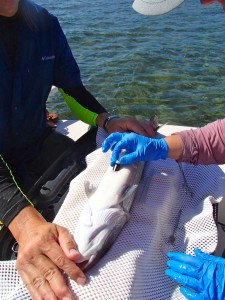 This early retrieval of data from the receivers was very encouraging, with several of the tagged fish being detected. Two fish with transmitters, likely travelling to spawning locations, were recorded

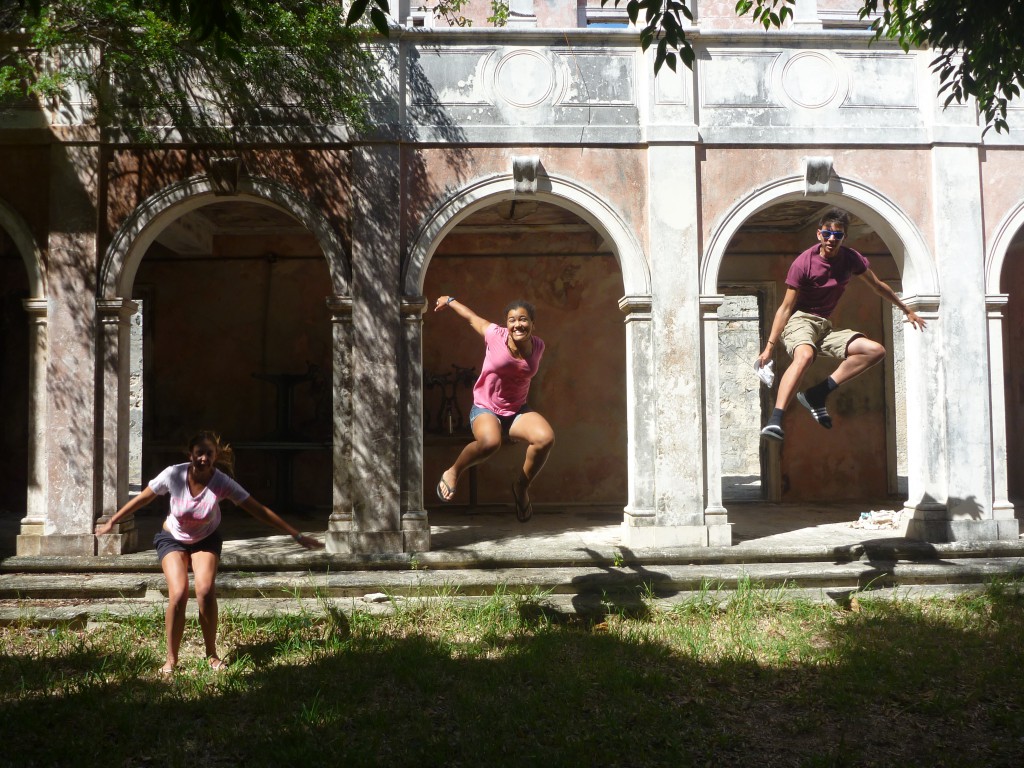
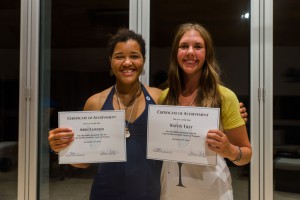 The students got to hang out with DCMS resource center every Tuesday and Thursday evenings. This consisted of them assisting students with their reading skills. Not only that though, the Gappers got to have meaningful conversations about their history, both personal and geographical that has impacted their experience tremendously, making them think differently about different aspects of life here in the Bahamas.
